

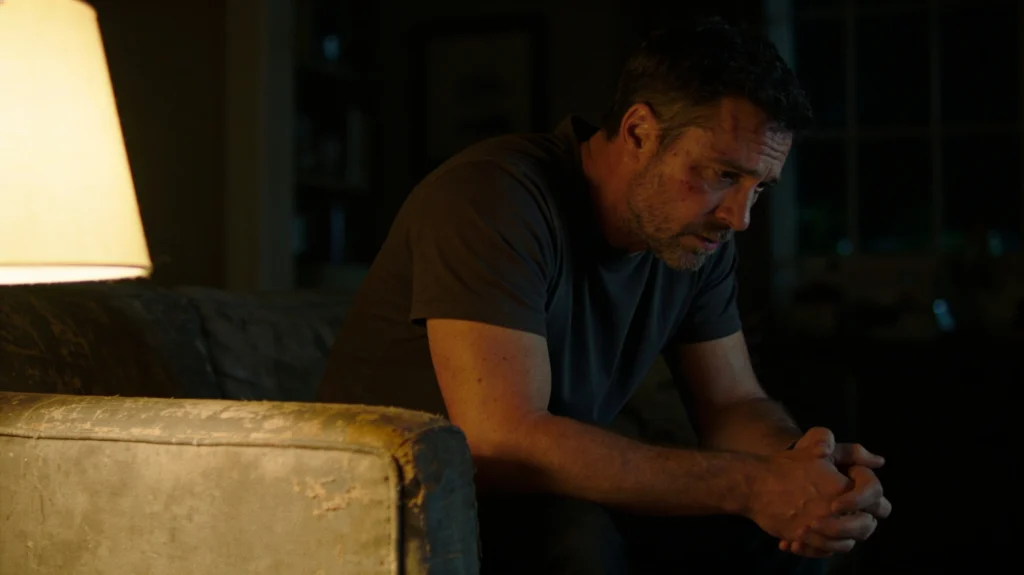
There’s a thought that crosses a lot of people’s minds late at night, when the house is quiet and there’s nothing left to distract them: God could forgive other people, but not me.
Maybe you’ve made serious mistakes. Maybe you spent years angry, or caught in addiction, or in relationships that hurt you and everyone near you. Maybe there’s something you’ve never told a single person, and you’re convinced it’s too terrible to be forgiven. After enough time, that kind of shame stops feeling like a thought and starts feeling like a fact.
Christianity starts from a different place. It starts with grace.
You Are Not Beyond God’s Grace
Grace, by definition, is unearned. It’s a gift, not a reward for people who got their lives together. Nobody receives it because they behaved well enough, which is exactly why it can reach people who feel completely broken.
Most of us have a hard time with that. We’re used to a world where you get what you work for, where trust has to be rebuilt and a bad reputation sticks. It’s natural to assume God works the same way. But Scripture describes his forgiveness as something offered freely, and it’s offered to people who know they have nothing to bring.
The question isn’t whether you’ve made mistakes. Everyone has, some of them far bigger than others. The real question is whether you’re willing to turn toward Christ, even when you aren’t sure you deserve to.
Azarius: A Man Who Needed to Change
In Rick Wake’s book, Azarius isn’t a good man quietly searching for God. He’s violent, angry, and troubled, and the way he lives has hurt a lot of people, including himself. There’s nothing polished about him, and the story doesn’t pretend otherwise.
When he first hears about Jesus, he doesn’t jump at it. He doubts. How could someone like him possibly be forgiven? He knows what he’s done, and the idea that it could be washed away sounds almost insulting.
That reaction feels real because so many people have had it. They look at their past and treat it as proof that God wouldn’t want them, that the door closed a long time ago. Azarius carries that same weight, and readers who recognize themselves in his doubt often find that the story meets them right where they are.
The Christian understanding of salvation is that Christ offers more than forgiveness. He offers change, a real transformation of who a person is and where their life is headed. Forgiveness deals with what you’ve done. Transformation deals with who you’re becoming.
Faith Can Start Small
You don’t need to have it all figured out before you turn to God. You don’t need the right words, a clean history, or answers to every hard question. Plenty of people begin with nothing more than “I don’t know if this is real, but I’m tired of living like this.”
Faith often starts with honesty. You admit where you really are, you recognize you need help, and you’re willing to trust God with what comes next. That can be a quiet moment alone, and it doesn’t have to look impressive. It doesn’t even have to feel certain.
Azarius’s journey shows this well. Change doesn’t mean waking up one morning with the past wiped away. The consequences, the memories, and the regret don’t vanish overnight. What changes is the direction. He takes a first step, then another, and slowly the road starts to look different from the one he was on.
Your Story Isn’t Finished
If you feel broken, ashamed, or unworthy, try not to assume the ending has already been written. Your past can explain how you got here, but it doesn’t get to decide where you go next. The worst thing you’ve done is part of your story, but it isn’t the whole thing.
Rick Wake’s story of Azarius deals with grace, forgiveness, salvation, and redemption, and it asks a question worth sitting with: what if God could do something completely new with the life you thought was beyond repair?
If that question stays with you, Rick Wake’s book is a good place to explore it. Follow Azarius’s journey from a life of anger toward faith and transformation, and see where it leads.